Emerald Arch
Scientific Research Projects
MAKING AN IMPACT, ONE STEP AT A TIMEThe more we know about the wildlife species on our land, the better we can protect them. That’s why we currently have 30+ cameras set up throughout our property to try to catalogue every species that calls our land “home”. Not only is it important to know what species occupy our land, it’s also important to gauge the health of populations in our broader region of Cuyabeno.
Wildlife Monitoring
Terrestrial Camera Trapping
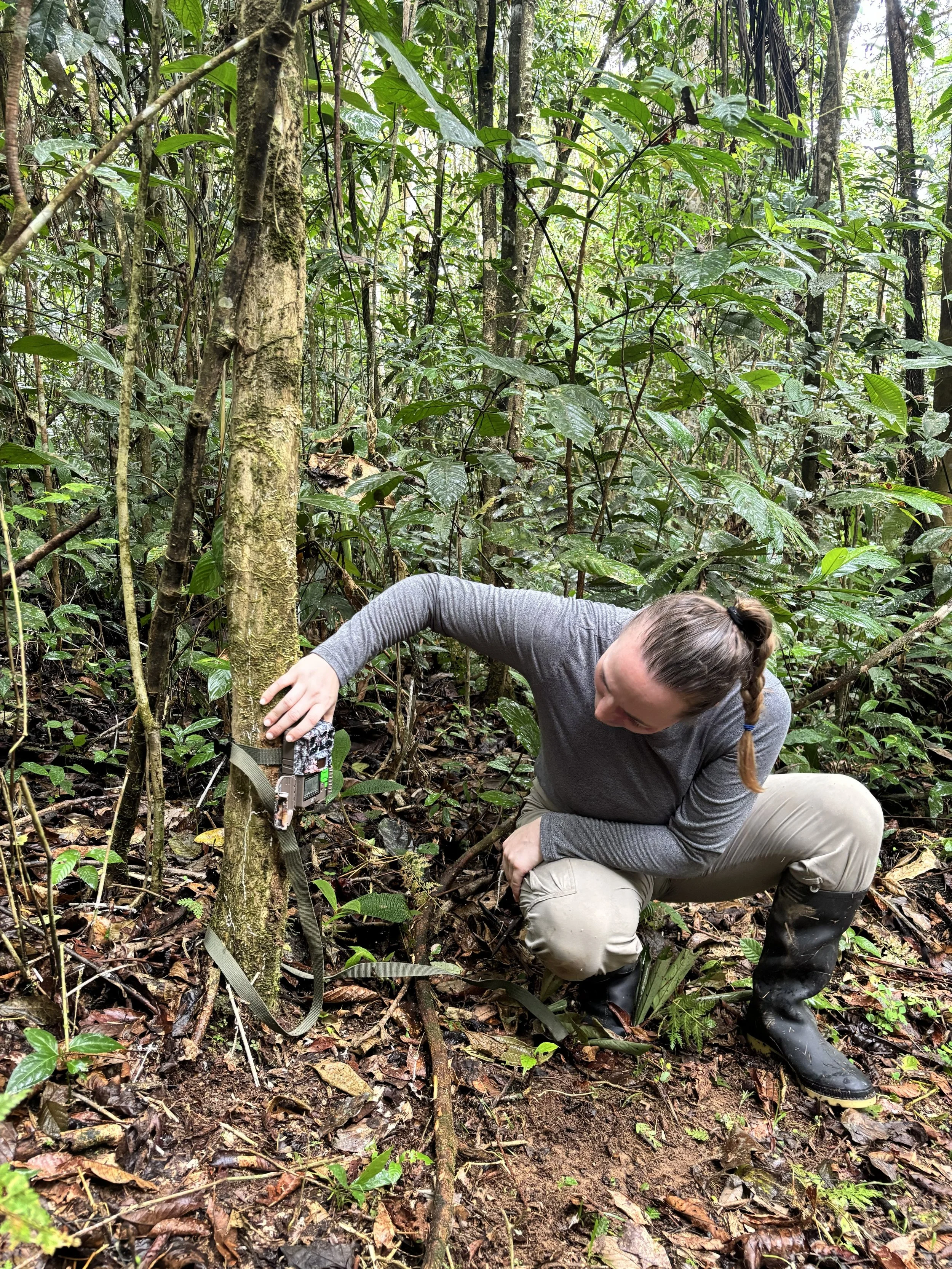
On our trail cameras, we have managed to capture jaguars, short-eared dogs, giant anteaters, and so much more! Not to mention all the opossums, birds, and pigs that are also just as important. The more we can capture on camera, the better we can understand these incredible species. We have seen new behaviors, predations, and even babies latching onto their mothers. An incredible success in our eyes!
Arboreal Camera Trapping
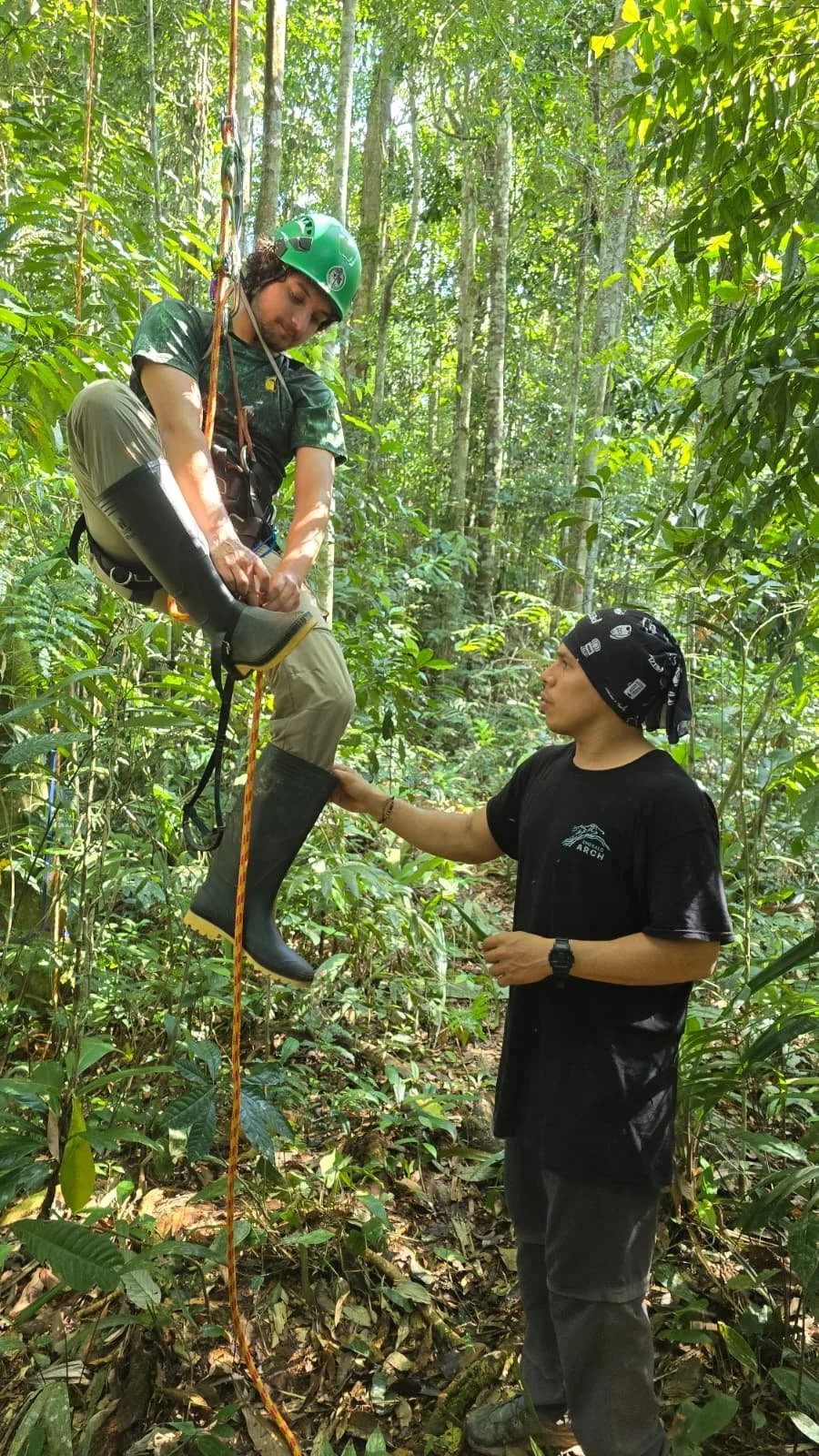
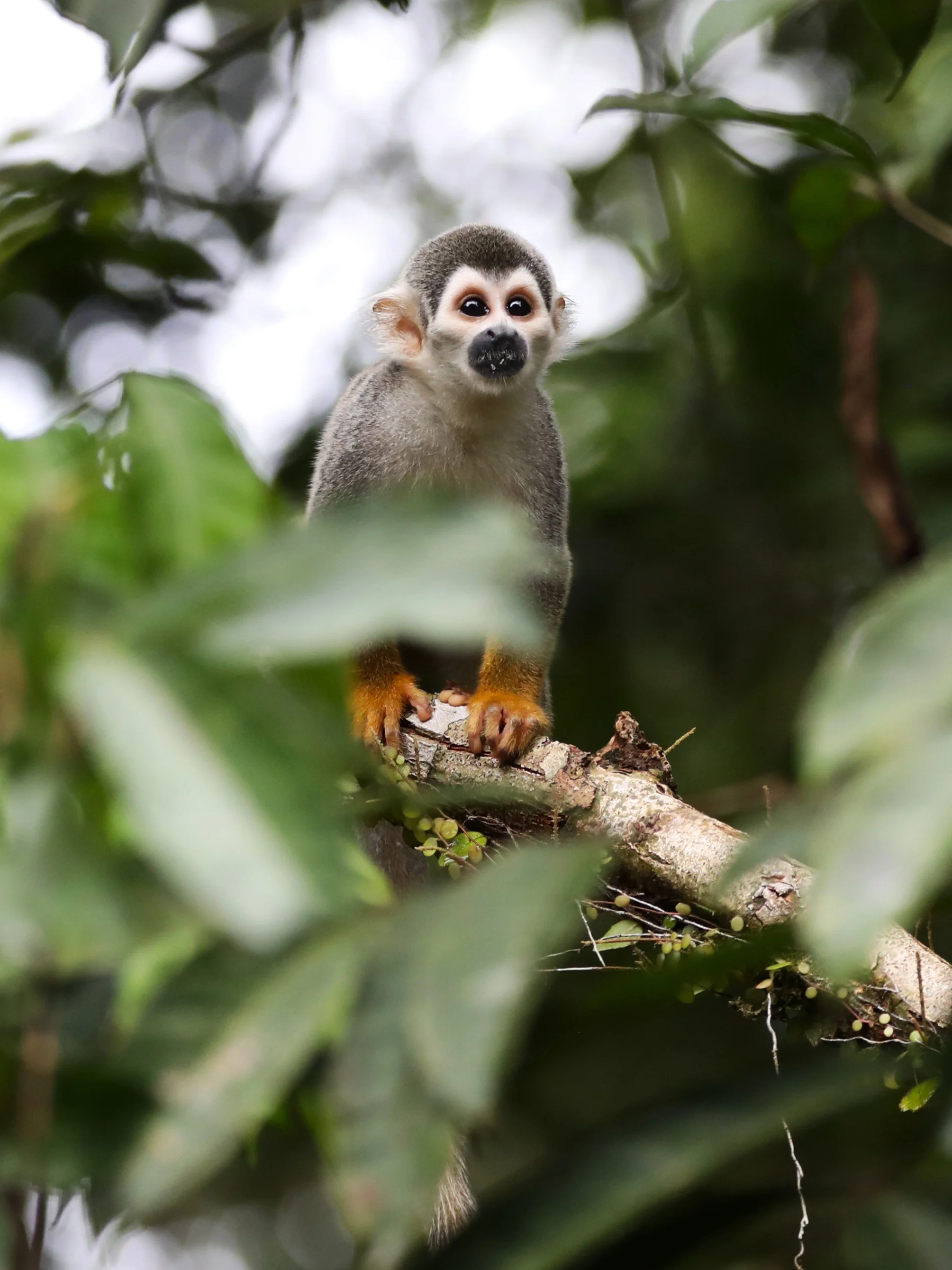
We’ve found that arboreal species tend to be under researched, so we’ve teamed up with a local Ecuadorian group to place camera traps in our trees!
The footage we’ve obtained so far is incredibly insightful and has shown us that we have species on our protected land that we hadn’t documented before! We currently have three cameras in trees scattered around our property and hope to expand that number by the end of 2026.
Species Surveys
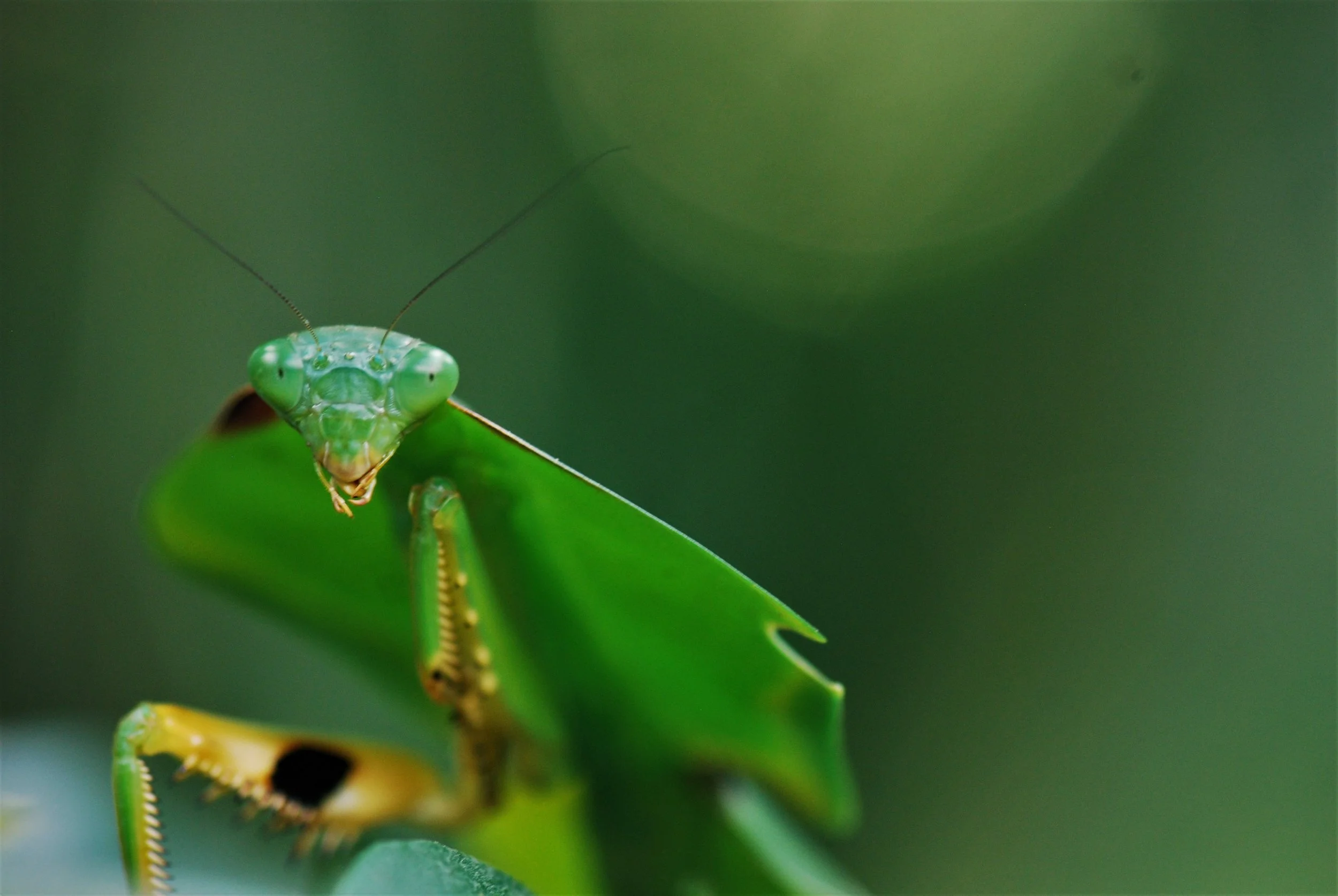
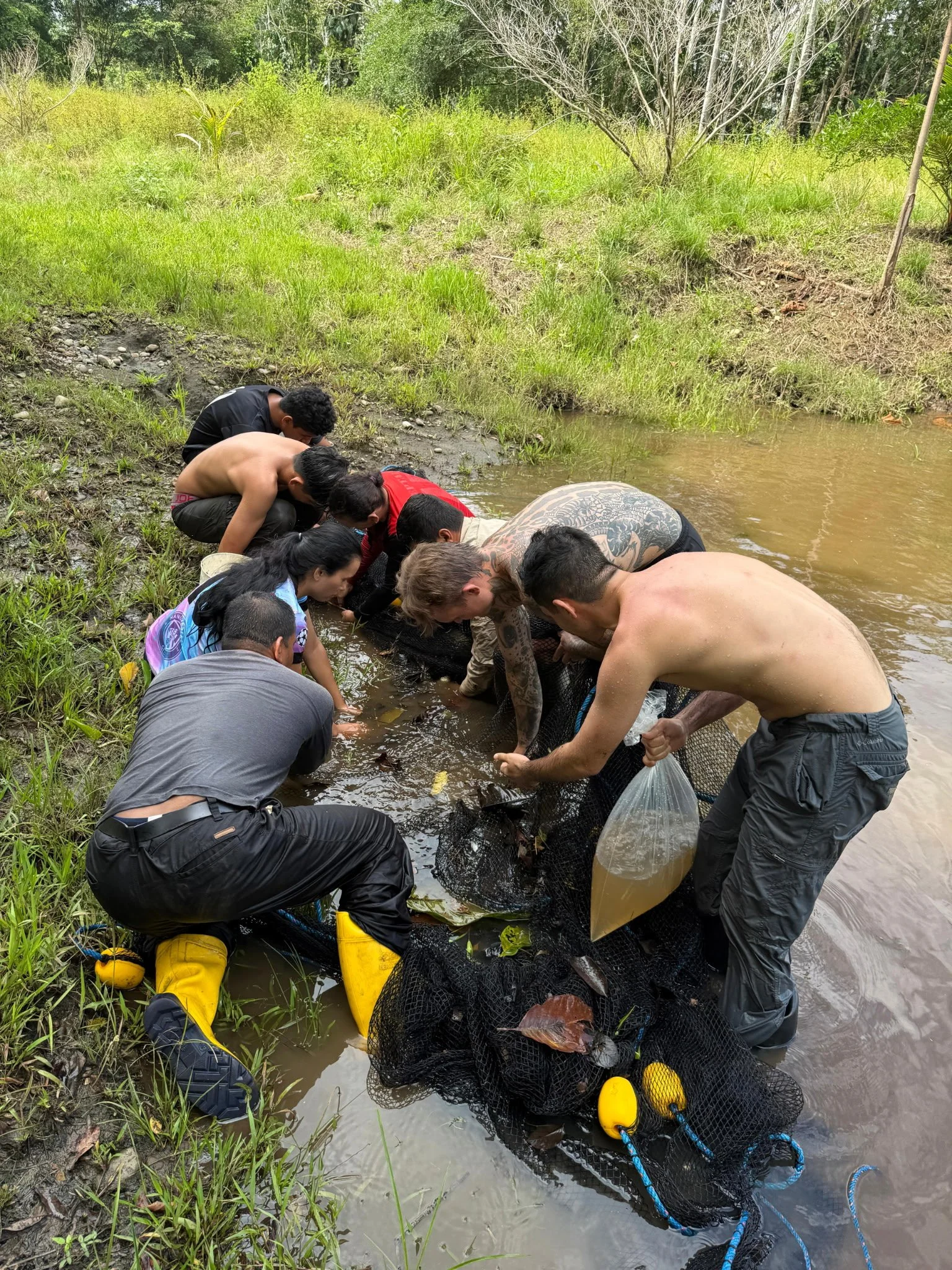
There are hundreds of species that cannot be caught on camera. This could be because they’re too small, they’re masters of evasion, or simply because their habitats aren’t easily captured. For this reason, we conduct hands-on surveys to obtain a broader understanding of what species we are aiming to protect.
Fish
There are thousands of fish species that inhabit the Amazon and they play a vital role in the ecosystem. They are a main food source for many wildlife species in addition to many of the local communities. For this reason, they are in dire need of protection. With overfishing, populations are dwindling and the wildlife that feed off of the fish are going hungry. We have started collecting data on which species of fish inhabit our stream systems and the great river systems in our nearby communities.
We have already found some incredibly rare species in our local rivers, which motivates us even more to protect our water systems. We’re hoping with the data we collect, we can provide a better understanding to local communities on the livelihood of the fisheries and work together to implement more sustainable fishing practices.
Reptiles and Amphibians
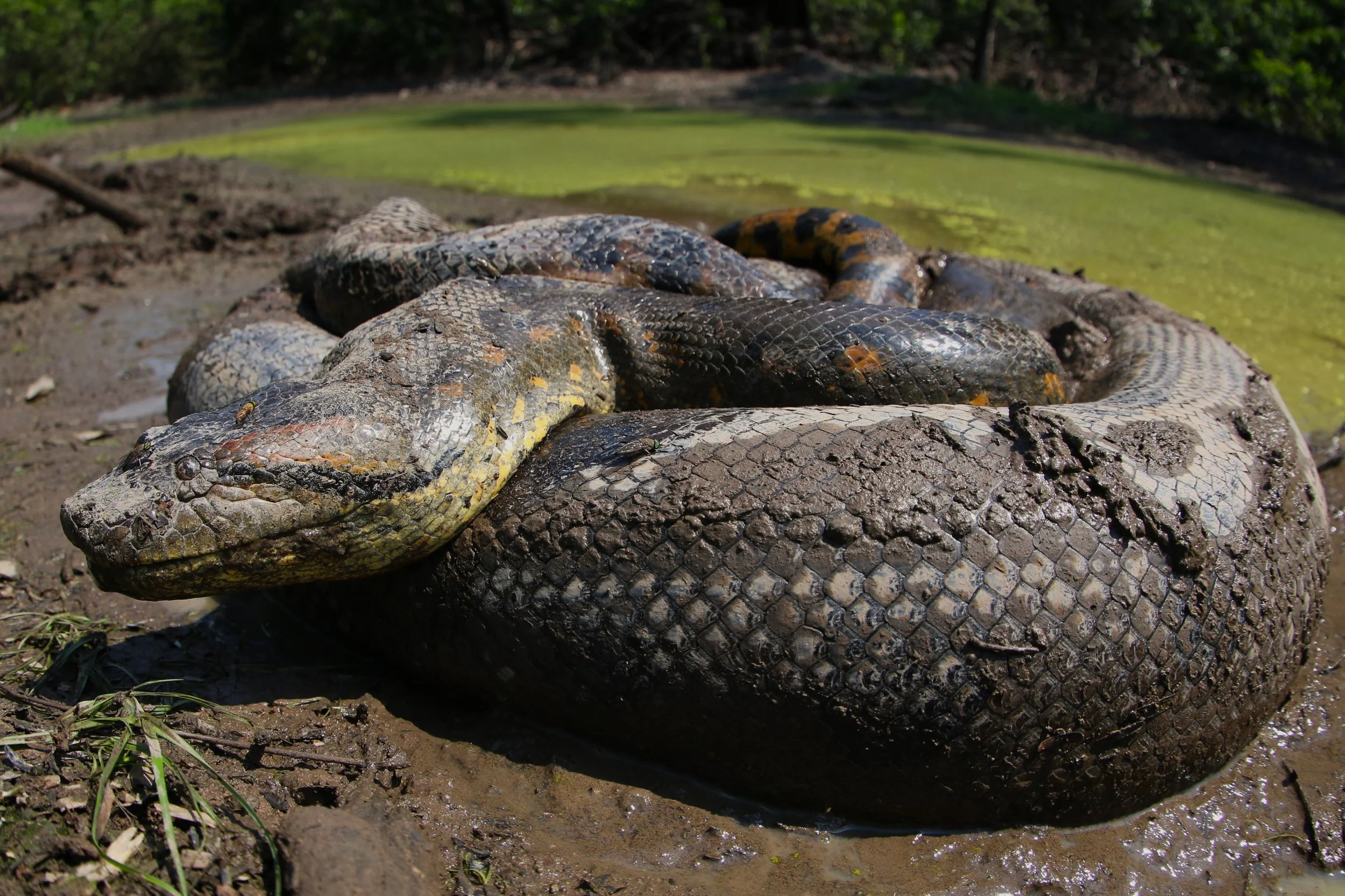
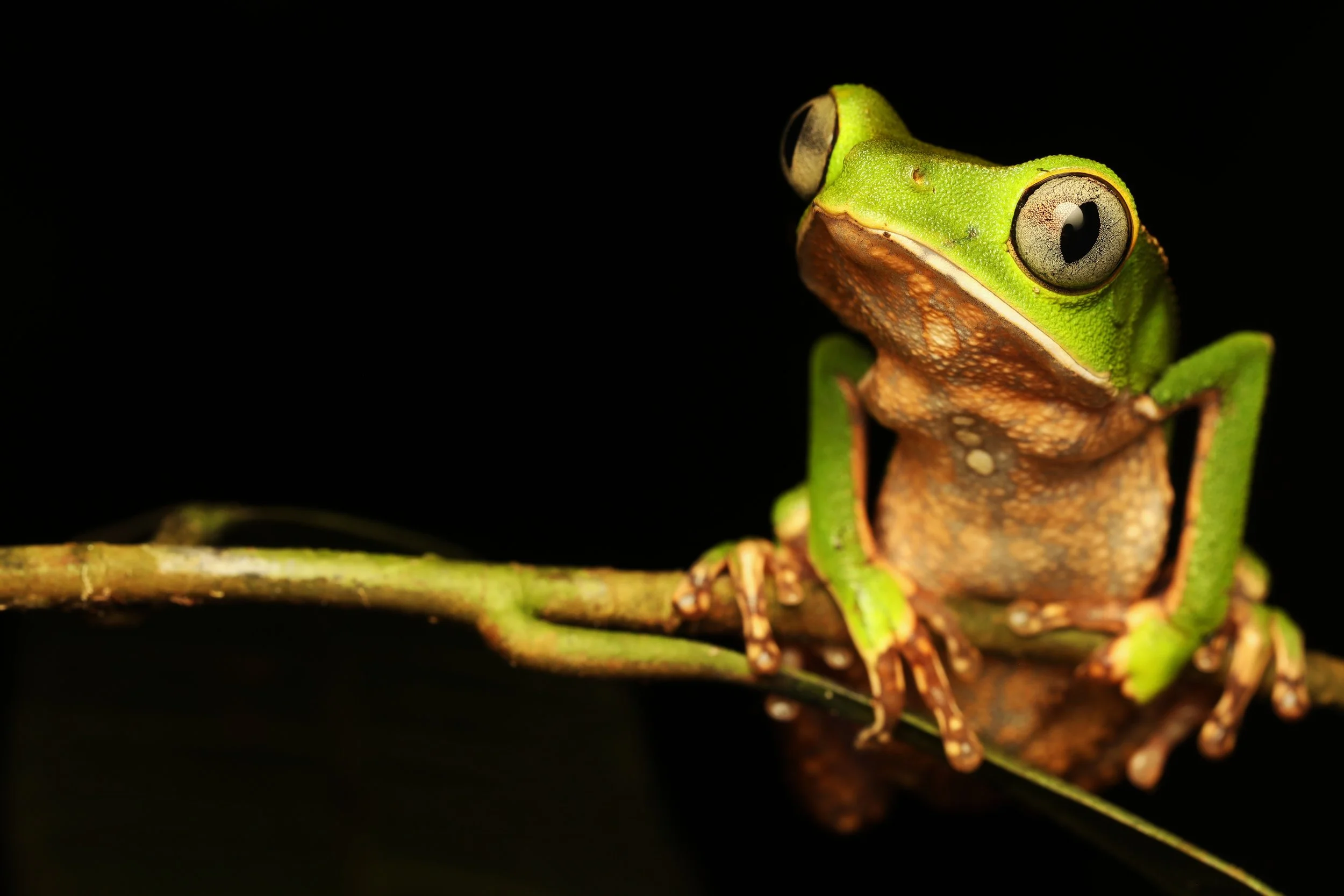
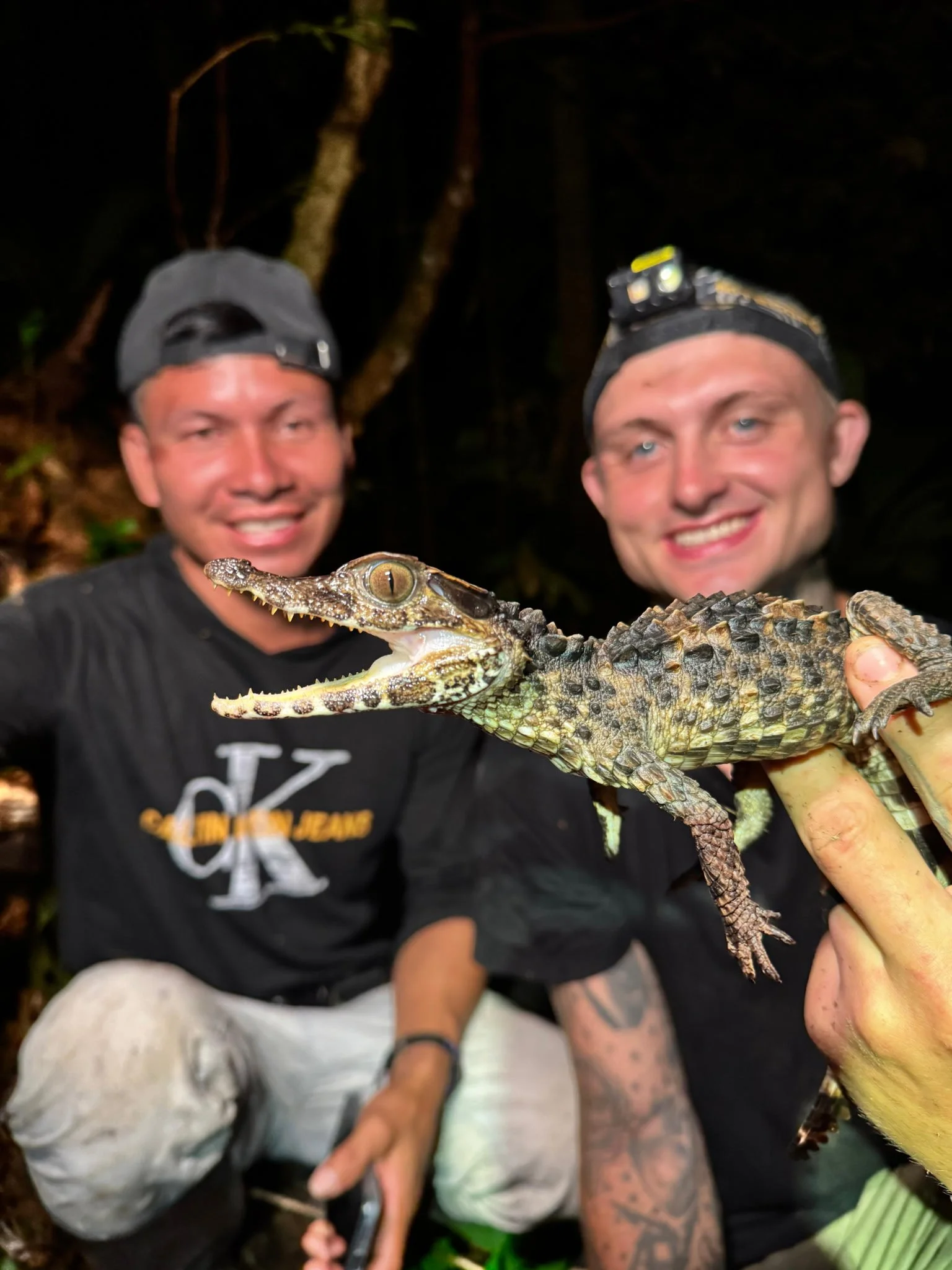
We’re currently building our reptile and amphibian database to fully understand what critters call the Cuyabeno region their home. Our land may be a small transect in the grand scheme of the Cuyabeno Reserve, but it provides an important look into the species that utilize the region. So far, we have found 60+ reptile species and 40+ amphibian species. We even have a resident northern green anaconda living in one of our swamps!